
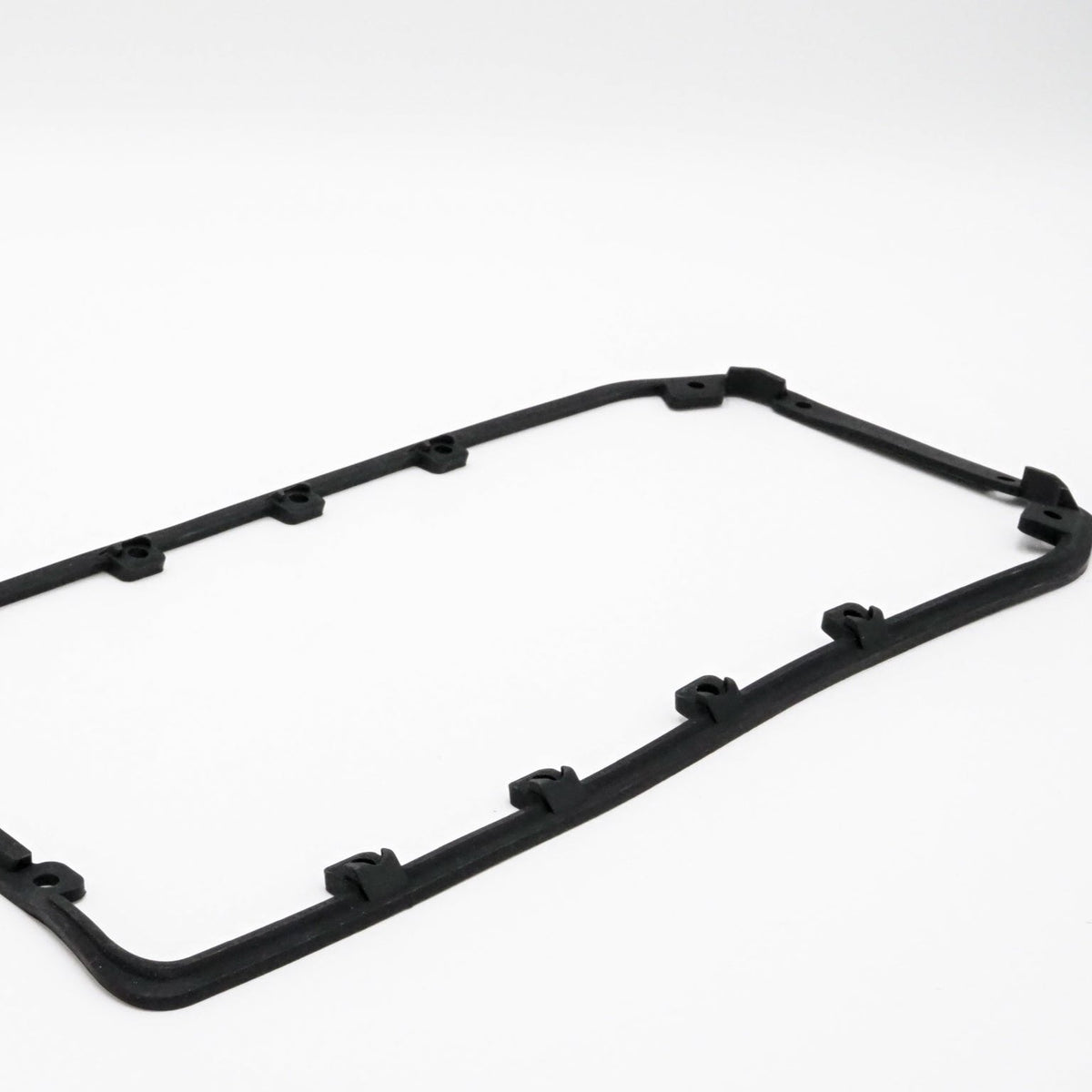
Are electric skateboards waterproof? The honest answer is no: no electric skateboard is 100% waterproof, and anyone who tells you otherwise is selling you a story. But there is a big difference between a board that is simply "splash resistant" on paper and a board that is designed, sealed and tested to keep water out. That difference is why we build ONSRA electric skateboards to be more waterproof, and it comes down to one small part: the O-ring.
In this article we explain how the ONSRA sealing works, why the screws matter just as much as the seal, and the two rules every ONSRA rider should know. If you are still choosing a board, our waterproof electric skateboard buying guide compares the models side by side. This post is about the engineering behind it.
The short version:
- Every ONSRA board comes with an O-ring, and the board is sealed: around the enclosure with the O-ring and completely sealed where the cables come out.
- ONSRA puts Loctite on the screws at the factory, but screws can still loosen over time. The seal only works when the screws are tight, so check them regularly.
- Caught in the rain? It is not the end of the world. But open your board afterwards, let it dry and check it.
Our rain test with the original VELAR: puddles, spray and a full wet ride.
Are electric skateboards waterproof?
An electric skateboard carries a battery, an ESC (the motor controller) and a lot of wiring inside an enclosure under the deck. Water gets in through gaps: where the enclosure meets the deck, through screw holes, and where the motor cables leave the box. A rating on a spec sheet does not close those gaps. Design does.
That is why we talk about sealing, not about magic numbers. On their live product pages, the Challenger 2.0 All Terrain, the Challenger 2.0 Street, the VELAR 2.0 Gear Drive and the VELAR 2.0 S list their water resistance as "IP 65 (Enclosure Sealed with O-Ring)". The BLACK Carve 4 Street, the BLACK Carve 4 AT and the ZENO list "Waterproof IP65". IP 65 is generally described as dust-tight and protected against water jets. It is not a rating for being submerged.
It's all about the O-ring

An O-ring is a mechanical gasket: a loop of elastomer that sits between the deck and the enclosure. When the enclosure is screwed to the deck, the O-ring is pressed together all the way around and closes the gap. Our O-ring product page lists three features: better water resistance, easier servicing and taking the board apart, and better shock absorption.
Why is this better than a glued or taped shell?
- It seals the whole edge. The O-ring runs around the full outline of the enclosure, so there is no single weak corner.
- It works with the screws. Look at the small tabs on the ring in the photo below: the screws pass right next to them, so tightening the enclosure presses the seal together evenly.
- You can open the board and close it again. A glued enclosure is sealed once. An O-ring seals every time you close the board properly, which matters because opening the board after rain is part of the routine (more on that below).
- It is replaceable. If the ring gets worn, you swap it instead of rebuilding the board.

Sealed where the cables come out
A seal is only as good as its weakest opening. On an electric skateboard, the classic weak spot is where the motor cables leave the enclosure. On ONSRA boards these cable exits are completely sealed as well, so the O-ring is not doing the job alone. Enclosure edge sealed with the O-ring, cable exits sealed: that is what we mean when we say our boards are sealed.
Rule 1: the seal only works when the screws are tight
This is the part most riders underestimate, and it is very important.
The O-ring can only seal when it is pressed together, and that pressure comes from the screws. Every ONSRA board leaves the factory with Loctite on the screws. But a board vibrates on every ride, and over time screws can still work loose. A loose screw means less pressure on the O-ring at that spot, and that is exactly where water can find a way in.
What we recommend:
- Check the enclosure screws regularly, especially before you ride in wet weather and every time you have opened the board.
- Snug, not brute force. Tighten the screws firmly, but do not overtighten them. Damage caused by overtightened screws is listed as an exclusion on our warranty page.
- Check the rest of the hardware too. Truck and motor bolts belong on the same checklist. Our electric skateboard maintenance guide walks you through it.
- If a screw keeps coming loose, tell us. Do not just keep riding with it.
In our own rain tests the result was clear: no water got inside as long as the screws were tight and the board was sealed properly. You can read the full story in our waterproof test video.
Rule 2: caught in the rain? Open your board afterwards
If you get caught in the rain on your ONSRA, it is not the end of the world. That is what the sealing is built for. But it is very important that you open the board up afterwards.
Why? Even when no water gets in while you ride, condensation and moisture can build up inside the enclosure over time. Opening the board is the only way to be sure.
Another rain test from our channel: ONSRA boards in the wet.
After a wet ride:
- Wipe the board dry on the outside.
- Open the enclosure. This is the step that matters most.
- Let the inside dry out completely before you close it again.
- Check for trapped moisture and look at the O-ring. Is it seated correctly? Is it worn or damaged? If so, replace it. Spare O-rings are listed in our shop for several models; check the variants on the O-ring page.
- Close it properly with all screws tight (Rule 1).
- Check your wheels and bearings. Water and grit wear bearings quickly, and wet roads change grip. Our wheels guide explains the differences between wheel types.
Our help center has the same checklist: Waterproof test IP65 and riding in the rain.
What the sealing does not do
We would rather tell you the limits than have you find them out the hard way:
- No submersion. IP 65 is not a rating for deep water. Avoid deep puddles, standing water and anything that reaches the enclosure.
- Not a reason to go looking for storms. The sealing is there for when the weather catches you, not as an invitation to ride through floods.
- Water damage and the warranty. Our warranty page lists "damage caused by riding through deep water or exposing the electronics to excessive moisture" among its exclusions. Please read it.
- Wet roads change how a board rides. Braking distances get longer and grip drops. Read how to stop an electric skateboard and why speed wobble happens before your next wet commute.
Why ONSRA does it this way, and why we film it
Plenty of brands print "water resistant" somewhere in the small print. We do it differently: an O-ring on every board, sealed cable exits, Loctite on the screws from the factory, and rain tests that we film and put on YouTube so you can judge for yourself.
Fabian's own video about waterproofing an electric skateboard.
There is also a short clip of the VELAR going through water: watch the short.
That is the ONSRA advantage in one sentence: a sealed board, honest rules, and proof on camera.
FAQ
Are electric skateboards waterproof?
No electric skateboard is 100% waterproof. What matters is how well the electronics are sealed. ONSRA boards come with an O-ring between deck and enclosure and are completely sealed where the cables come out. The live product pages list IP 65 for the current boards.
Can electric skateboards get wet?
An ONSRA board can handle getting caught in the rain. Afterwards, open the board, let it dry and check for moisture. Avoid deep water and standing water, because IP 65 is not a submersion rating.
What does the O-ring do on an ONSRA board?
It is a gasket between the deck and the enclosure. When the screws are tight, it seals the full edge of the enclosure. Our O-ring page lists better water resistance, easier servicing and better shock absorption as its features.
Why do the screws matter for waterproofing?
The screws press the O-ring together. ONSRA applies Loctite at the factory, but vibration can still loosen screws over time. A loose screw means a weaker seal, so check your screws regularly and tighten them firmly without overtightening.
Do I really have to open my board after riding in the rain?
Yes. Even if no water got in while riding, condensation and moisture can build up inside. Open the board, let it dry out and check for trapped moisture before you close it again.
What IP rating do ONSRA electric skateboards have?
The Challenger 2.0 and VELAR 2.0 pages list "IP 65 (Enclosure Sealed with O-Ring)". The BLACK Carve 4 and ZENO pages list "Waterproof IP65". We only quote what the live product pages say.
Is water damage covered by the warranty?
Please read our warranty page. Among the exclusions it lists damage caused by riding through deep water or exposing the electronics to excessive moisture.
Can I replace the O-ring myself?
Yes. The O-ring is designed to be easy to install and replace. Spare O-rings are in our shop; check the variant list on the O-ring page for your board.

Off-Road vs PU Wheels: Why the Easiest Electric Skateboard to Ride Has Air Tires
Fastest Electric Longboard? The BLACK Carve 4 Hits 100 km/h